Procurement Apps

SAP Ariba
An enterprise-grade Source-to-Pay suite covering the full procurement lifecycle for large, global organizations.
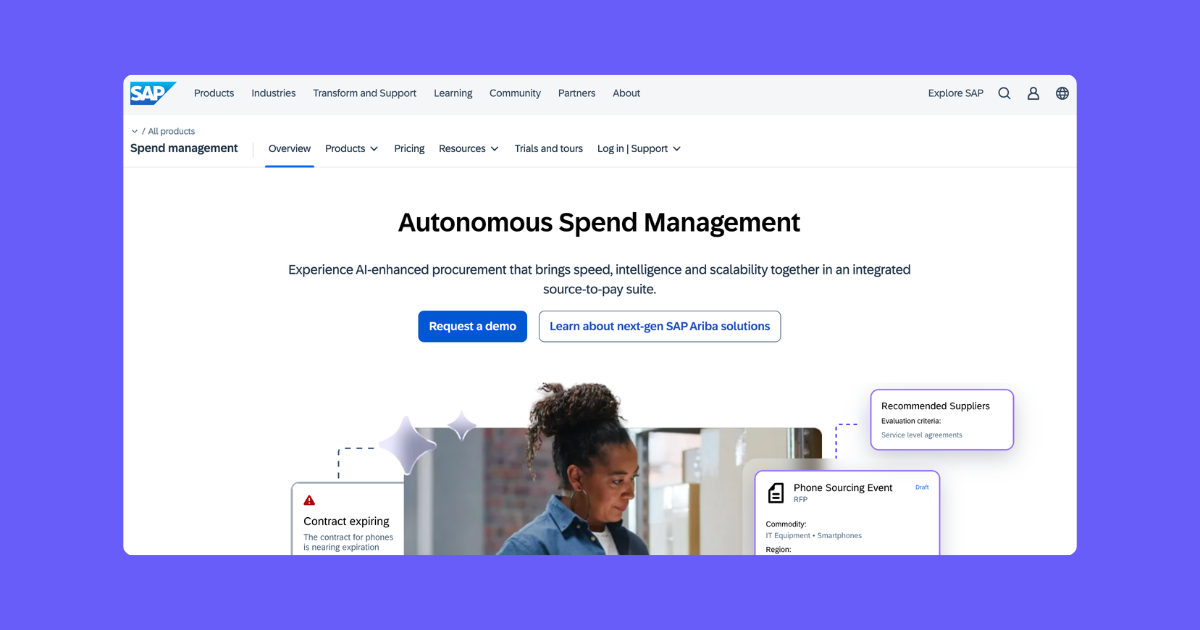
An enterprise-grade Source-to-Pay suite covering the full procurement lifecycle for large, global organizations.
SAP Ariba is a full Source-to-Pay suite built for large-scale procurement, covering requisitions, approvals, purchase orders, invoicing, and supplier management in one platform. It gets grouped with Coupa and Oracle as one of the legacy enterprise suites built primarily for global organizations managing diverse, high-volume spend, and it carries embedded AI across several functions, spend classification, guided buying, intake routing, and monitoring supplier risk signals. Where Ariba draws the most consistent criticism is usability: practitioner sentiment toward the interface is genuinely harsh, with terms like outdated and difficult to work with coming up repeatedly, to the point that some practitioners say they'd rather deal with Coupa's complexity than Ariba's. Implementation follows the same pattern as other suites in this tier: a substantial, multi-month lift to roll out and real ongoing effort to maintain afterward. It's also worth separating Ariba from SAP's ERP, S/4HANA. The two are different products; S/4HANA is often criticized as expensive for what it delivers and typically lacks a complete source-to-contract process on its own, which is exactly why companies end up layering Ariba, or individual Ariba modules, on top of it rather than relying on the ERP alone.
Ariba fits large enterprises with genuinely diverse, high-volume spend across categories, where a single S2P platform with embedded AI for spend classification and supplier risk monitoring is worth the implementation cost. It suits organizations that already expect a multi-month rollout and have the internal team to support it long-term. It's a poor match for smaller businesses; cost alone puts it out of reach for a company operating on a modest budget. It's also more platform than necessary if the actual need is narrower, RFP management and order tracking specifically, where a lighter, more modern front-door tool covers the same ground without Ariba's weight.
| Feature | Supported | Notes |
|---|---|---|
| Requisition & Approvals | Yes | Full coverage as part of the broader P2P lifecycle. |
| Purchase Order Management | Yes | Complete PO lifecycle handling at enterprise scale. |
| Invoicing & AP | Yes | Built into the same unified platform as purchasing. |
| Supplier Management | Yes | Robust onboarding and vendor management tools. |
| AI Capabilities | Yes | Embedded across spend classification, guided buying, intake routing, and supplier risk monitoring. |
| Spend Coverage Breadth | Yes | Built to handle diverse spend categories across a large organization. |
| Usability | Limited | One of the most consistently criticized areas — practitioner feedback on the interface is genuinely negative, often described as outdated. |
| Implementation | Limited | A substantial, multi-month rollout with real ongoing maintenance effort, in line with other suites at this tier. |
| ERP Relationship | Separate product | Ariba is distinct from SAP S/4HANA; many companies layer Ariba or specific modules on top of S/4HANA to fill source-to-contract gaps the ERP doesn't cover on its own. |
Here are the top pros and cons for SAP Ariba based on real-user feedback from verified reviews.
Ariba is priced for enterprise-scale procurement, and that cost is frequently cited as putting it out of reach for smaller organizations entirely, not just tight but genuinely unaffordable relative to a modest operating budget.




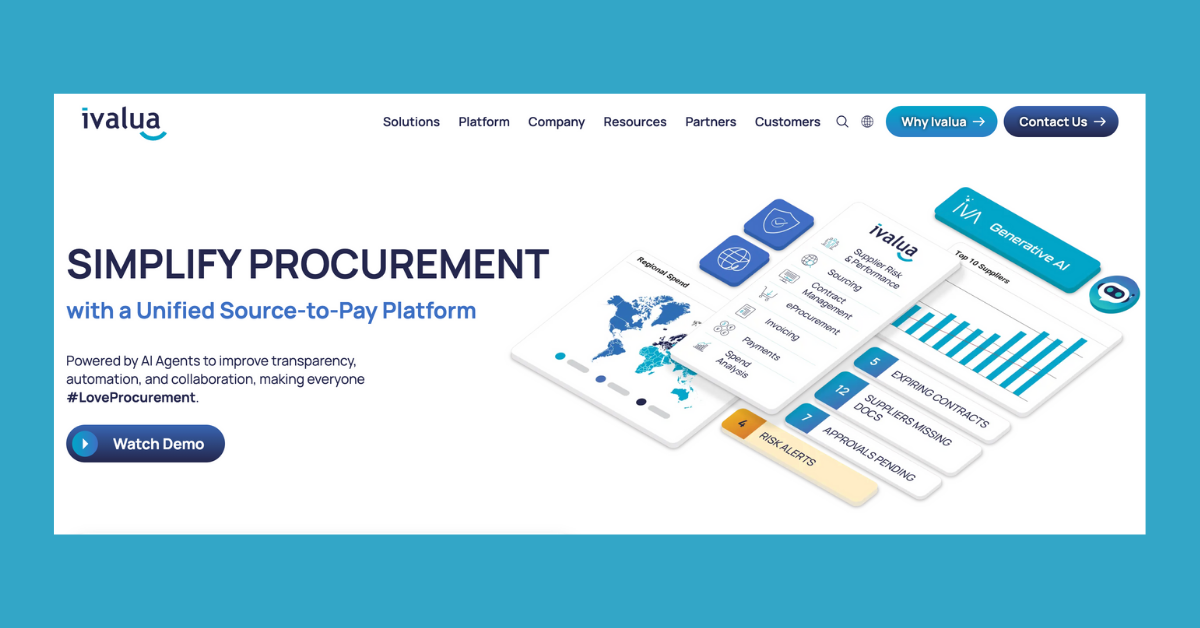





Ariba is a Source-to-Pay suite covering requisitions, approvals, purchase orders, invoicing, and supplier management for large organizations managing diverse, high-volume spend.
No. S/4HANA is SAP's ERP; Ariba is a separate Source-to-Pay suite. Many companies run both together because S/4HANA on its own often lacks a complete source-to-contract process.
Both are grouped as legacy enterprise suites with similarly heavy implementations. Usability feedback tends to favor Coupa, with some practitioners saying they'd rather deal with Coupa's complexity than Ariba's interface.
Generally no. Cost puts it out of reach for smaller organizations, and the platform's breadth is built for large, diverse spend categories that a smaller company usually doesn't have.
Zeiv covers the front-door part of the same problem, intake, category-specific approvals, PO issuance, and invoice pre-approval, without Ariba's implementation timeline or enterprise pricing.